Shwe Kyaung (Golden Palace Monastery)

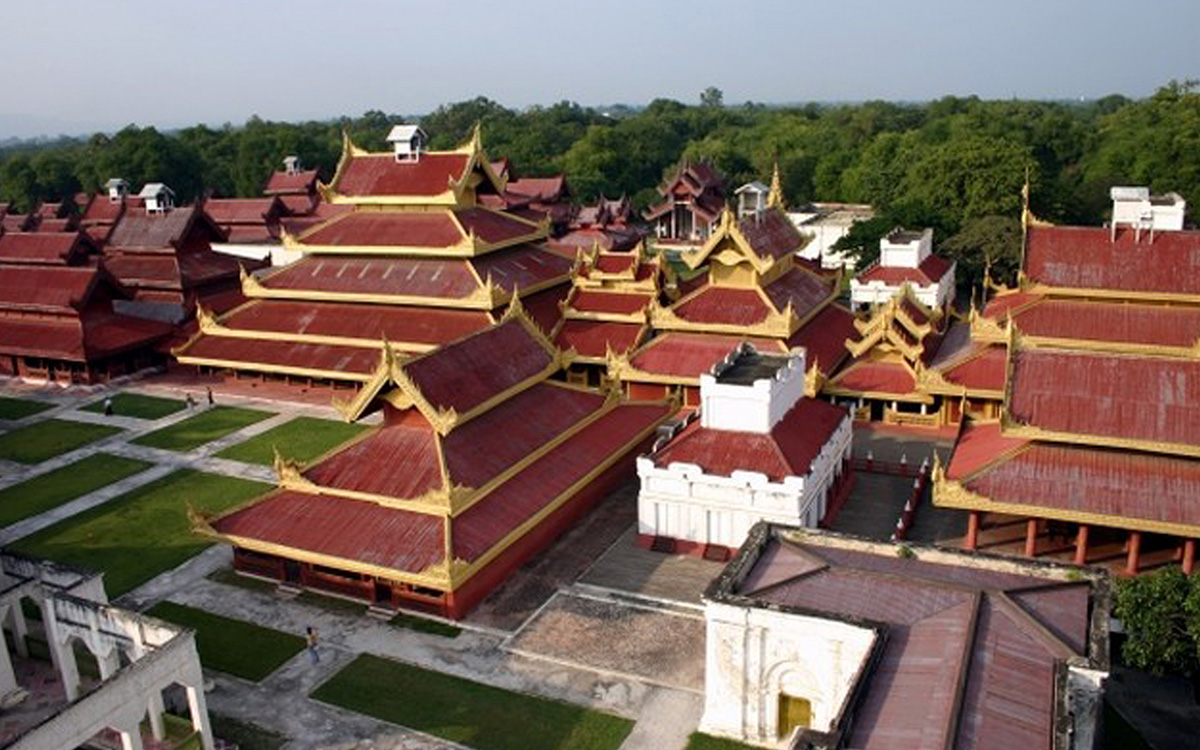
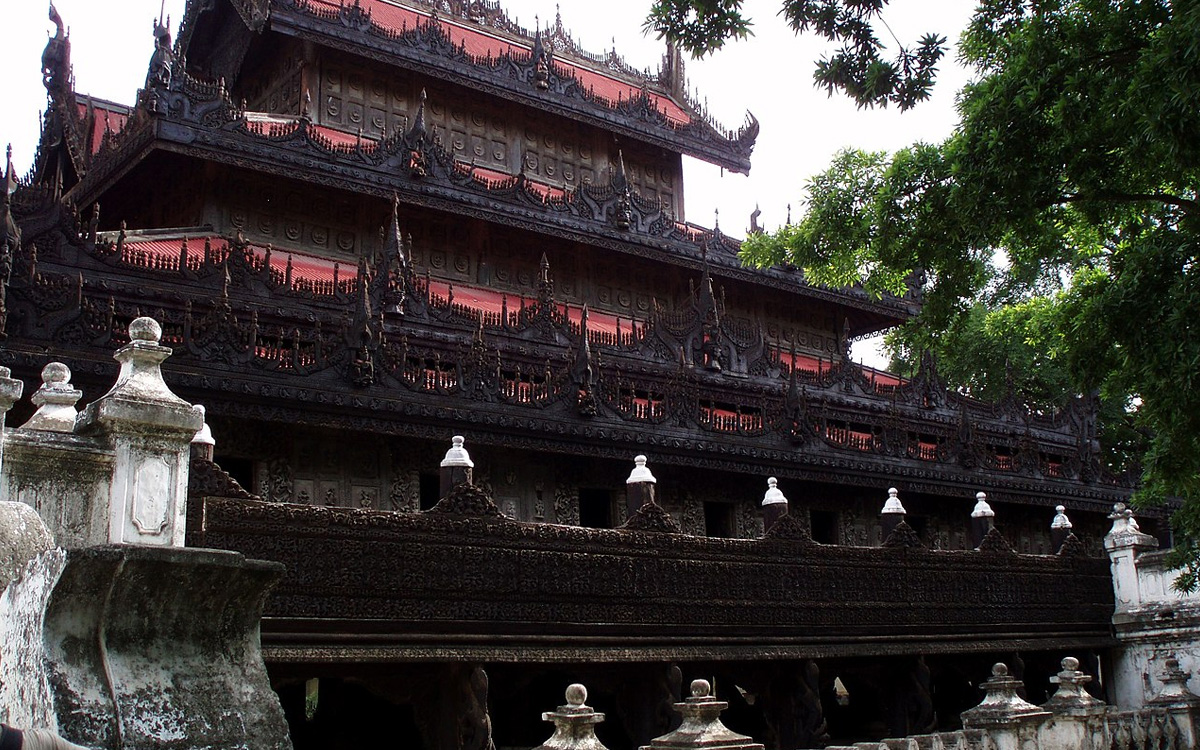
This large and elegant wooden monastery Shwe Kyaung is known as Golden Palace Monastery, possesses unique and magnificent beauty, formed by teak carvings depicting tales from Buddhist mythology in all of its roof and walls. It was commissioned in 1895 by a pair of wealthy Chinese jade merchants. Wood carved ornamentation along the balustrades is of exquisite quality.

Kuthodaw Pagoda

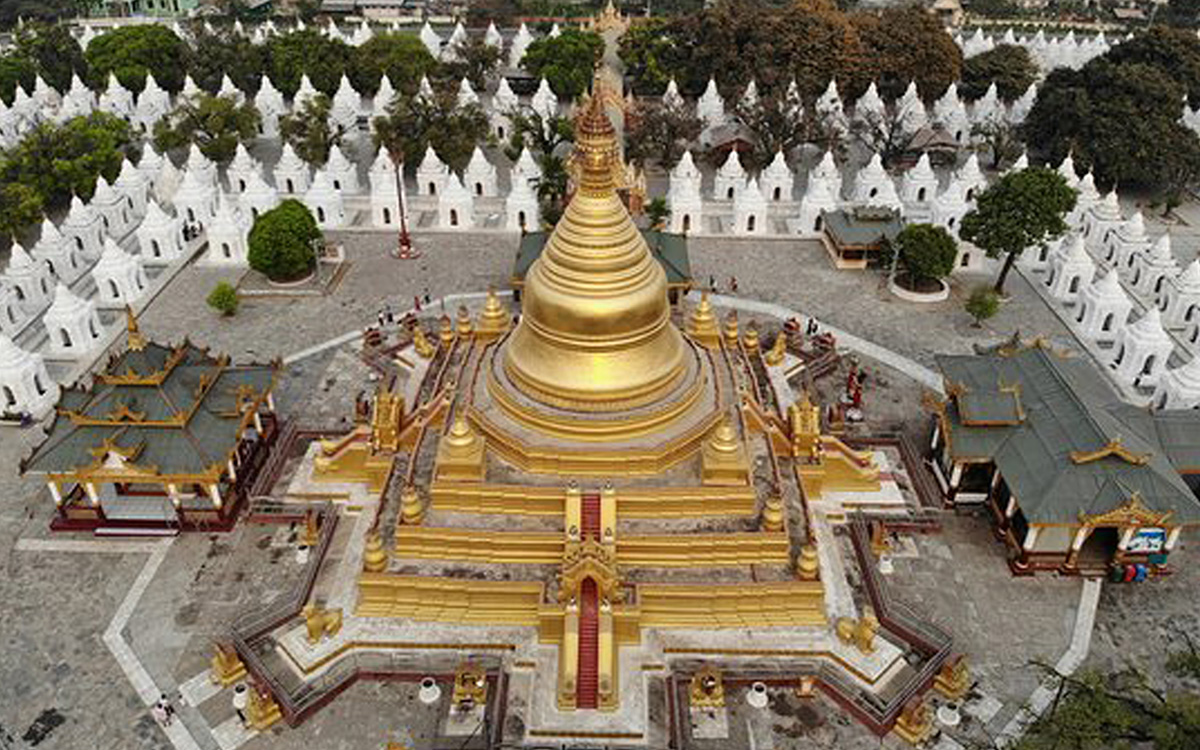
Kuthodaw Pagoda was constructed in the mid-1850s around the time the Royal Palace was built. Modeled after the Shwezigon Pagoda near Bagan, the walled Kuthodaw temple complex is renowned for having the world’s largest book. The book is actually a series of 729 slabs of marble inscribed on both sides with a page of text, each one housed in a separate stupa. The cluster of gleaming white stupas, one right next to the other, is an incredible sight.

Mandalay Hill

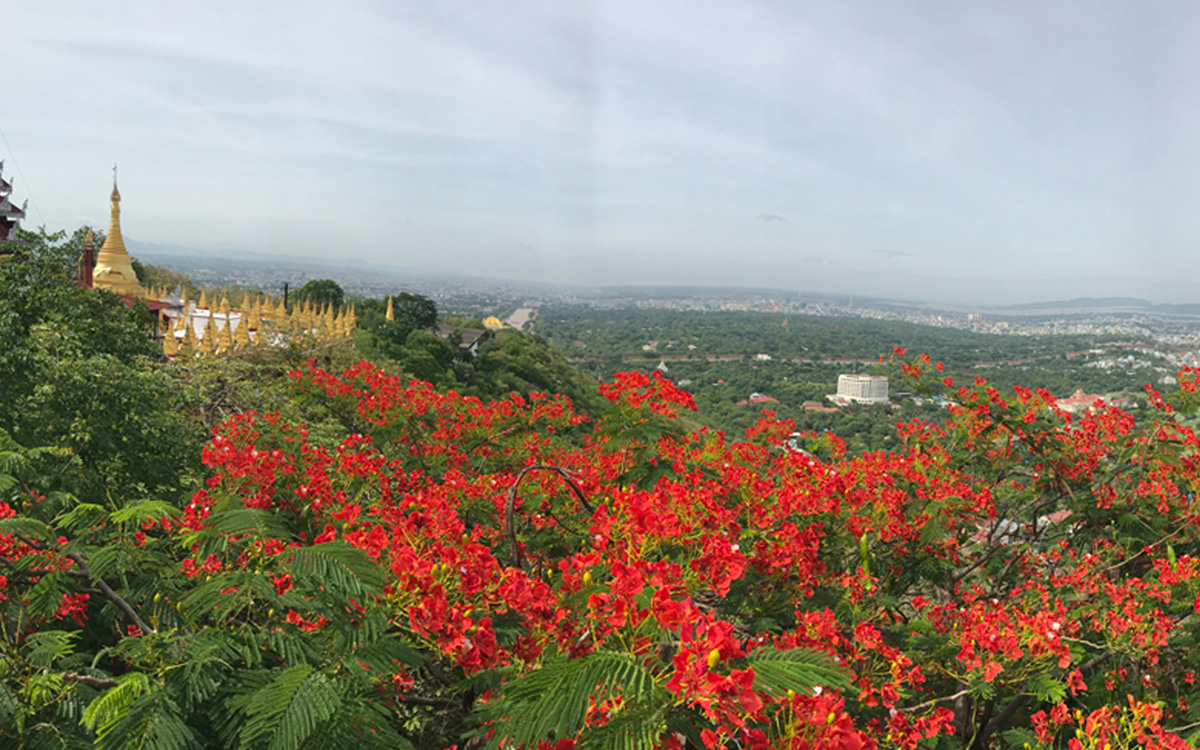
Myanmar’s primary landmark, Mandalay Hill, according to legend, Buddha once visited the site and prophesied that a great city would be founded at his foot. Today, Mandalay Hill is graced by an impressive array of stupas and is considered a holy mount. Enjoy the magnificent view of the city and surrounding countryside from Mandalay Hill.

Wood Carving

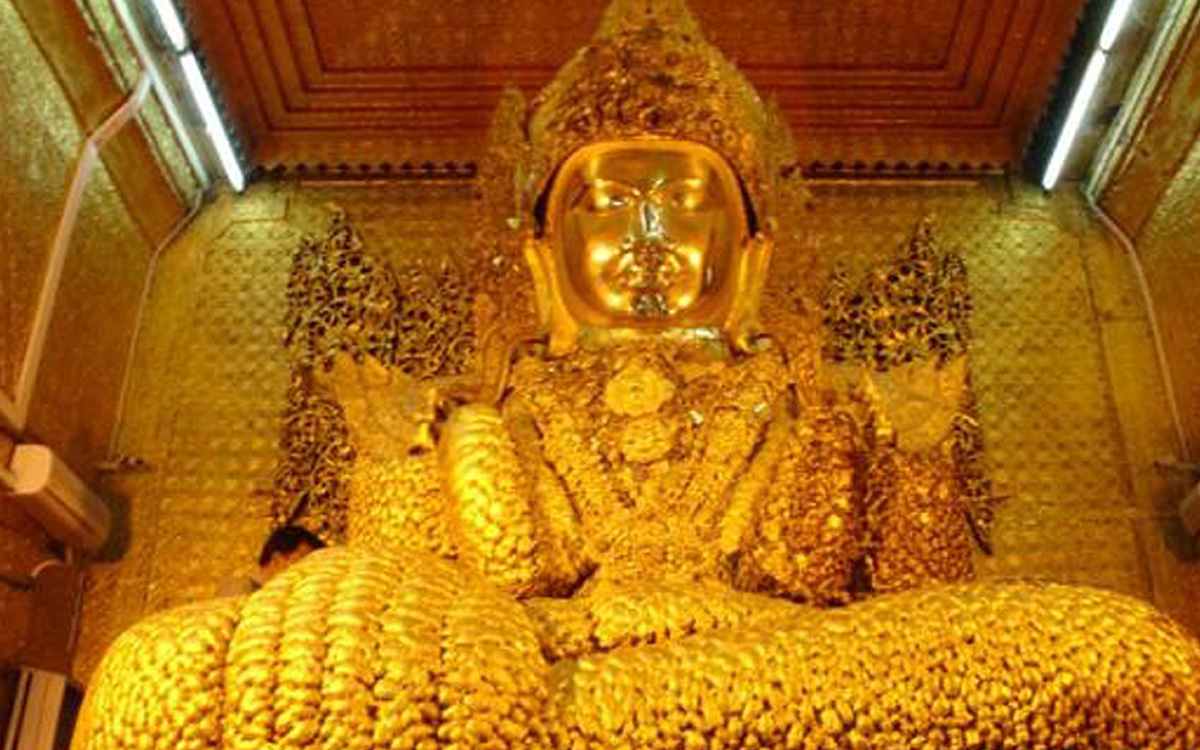
The Mandalay area is famous for intricate wood carving work. There are several wood carving workshops located all around which produces ornate items ranging from religious statues to decorative flowers. These workshops are located near the Mahamuni Pagoda and are worth a visit.

Stone Carving

The marble carving workshop is located near Mahamuni Pagoda. Marbles are from the Sagin quarry about 35 miles (56km) north of Mandalay. Many religious items, mainly Buddha images and stone slabs for inscription, are produced. Other figures such as images of other religions, animal figures are also made by order.

Jade Market

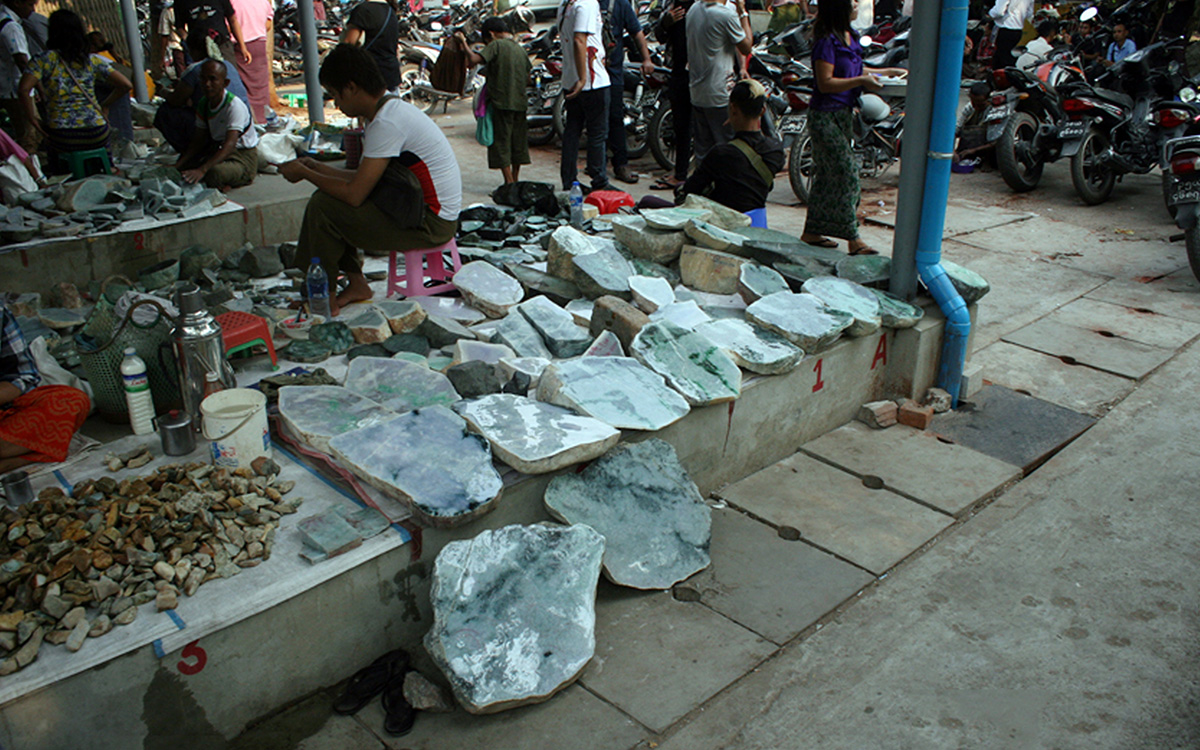
Myanmar has many natural resources including the jade mines located in Kachin State northern part of the country. Mandalay is the main commercial center as well as a trade hub and the main buying and selling point at a fascinating place, commonly known simply as the jade market.
Mandalay’s jade market is probably the most interesting market to the traveler visiting the town. A live market packed with locally mined green, white and yellow jades are traded. Discover a wealth of jade in various stages of production from blocks of uncut stones to beautifully crafted jade jewelry. Explore the skilled craftsmen being cut, shaped and polish the stones on wet saws, the sellers haggling and local ways of the method for trade between buyers, sellers and brokers.
Visit Mandalay’s Jade Market, it will be an interesting experience and a great opportunity to learn about gemstones and how these precious pieces of jewelry are made.

Amarapura

Amarapura is an old capital of the Konbaung dynasty and the site of the first British embassy of Myanmar in 1795. It is also famous for silk weaving industries and U Bein Bridge.

U Bein Bridge

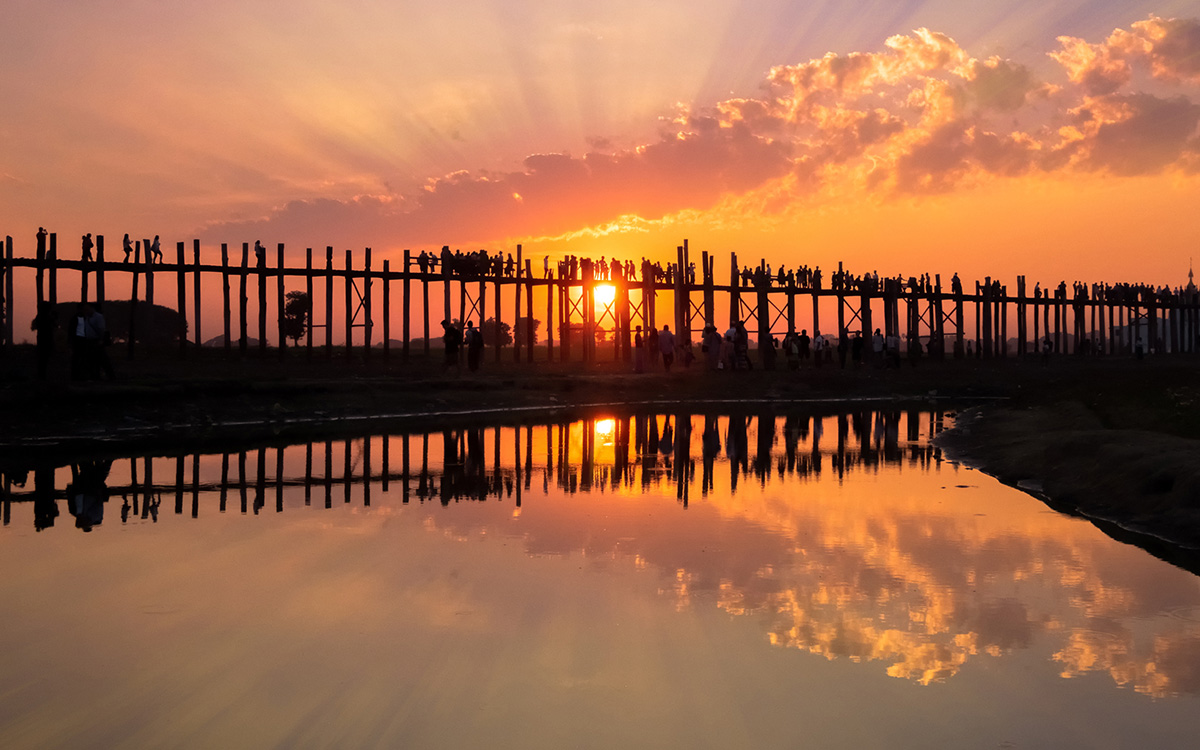
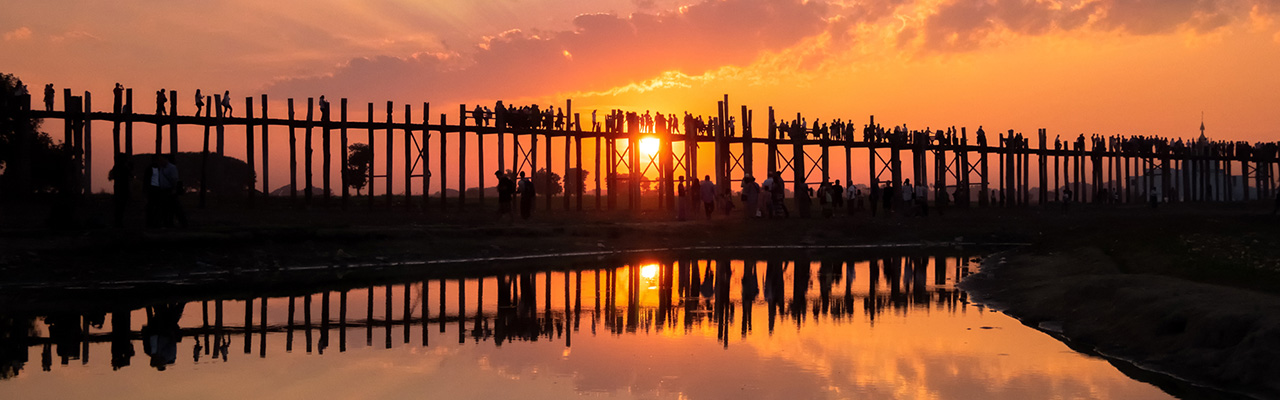
U Bein Bridge, built-in 1782 by Major U Bein using salvaged teak columns from the time deconstruction of Ava Palace. At 1.2 kilometers in length, it is believed to be the longest teak bridge in the world. Enjoy a stroll along the bridge and the fabulous views of the surrounding farms and streams.

Sagaing Hill

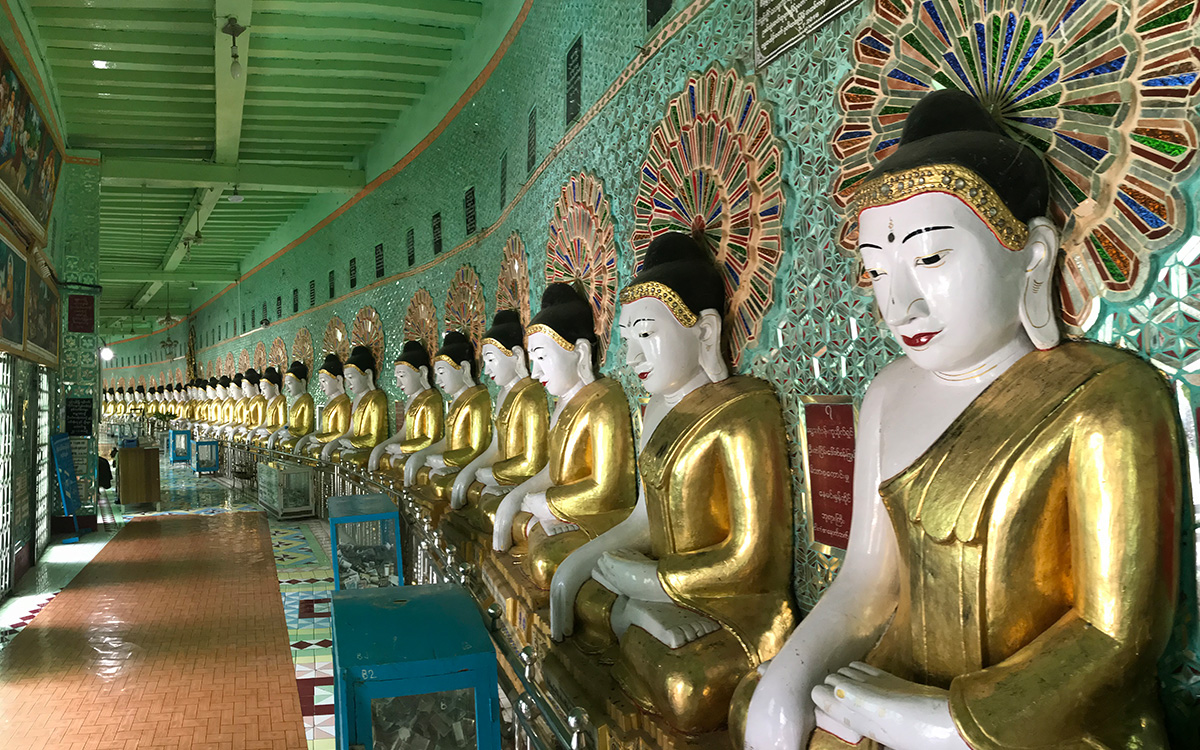
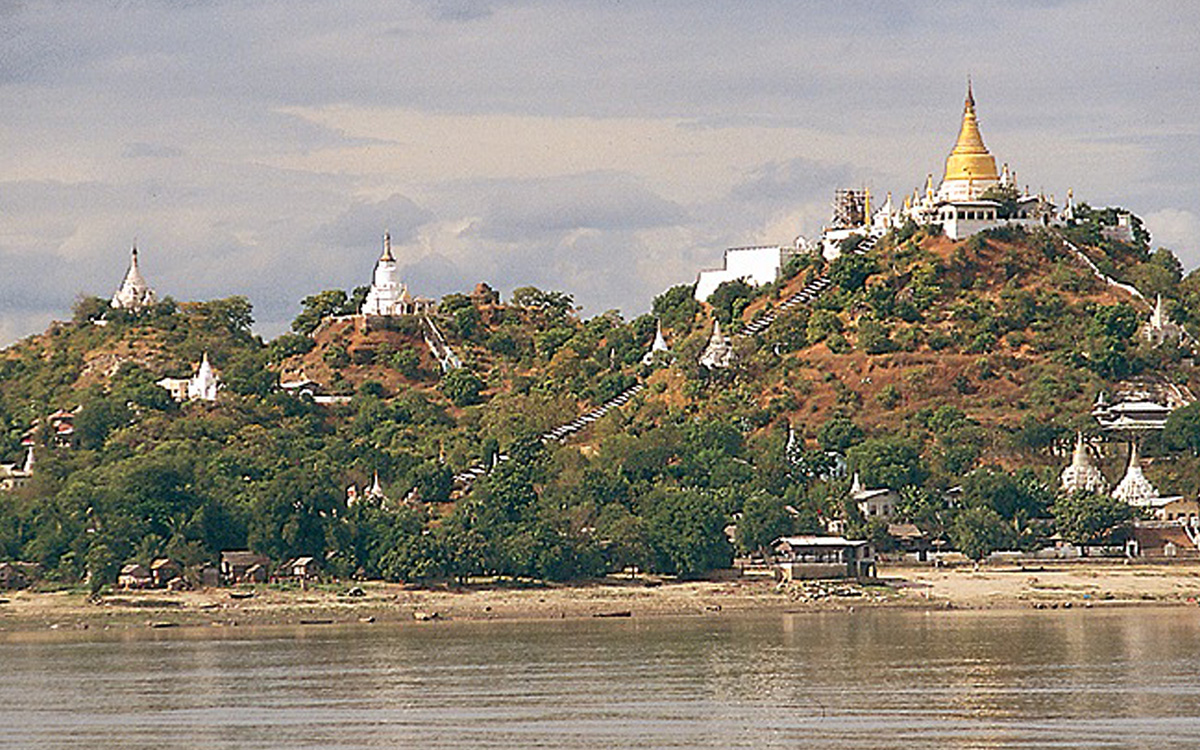
Sagaing Hill to take in the spectacular views over the river and the rolling hills which are studded with pagodas and stupas. On top of the hill is the ancient Swan Oo Pon Nya Shin Pagoda and visit the remarkable Thirty Caves Pagoda and the Kaungmhudaw Pagoda.

Mingun

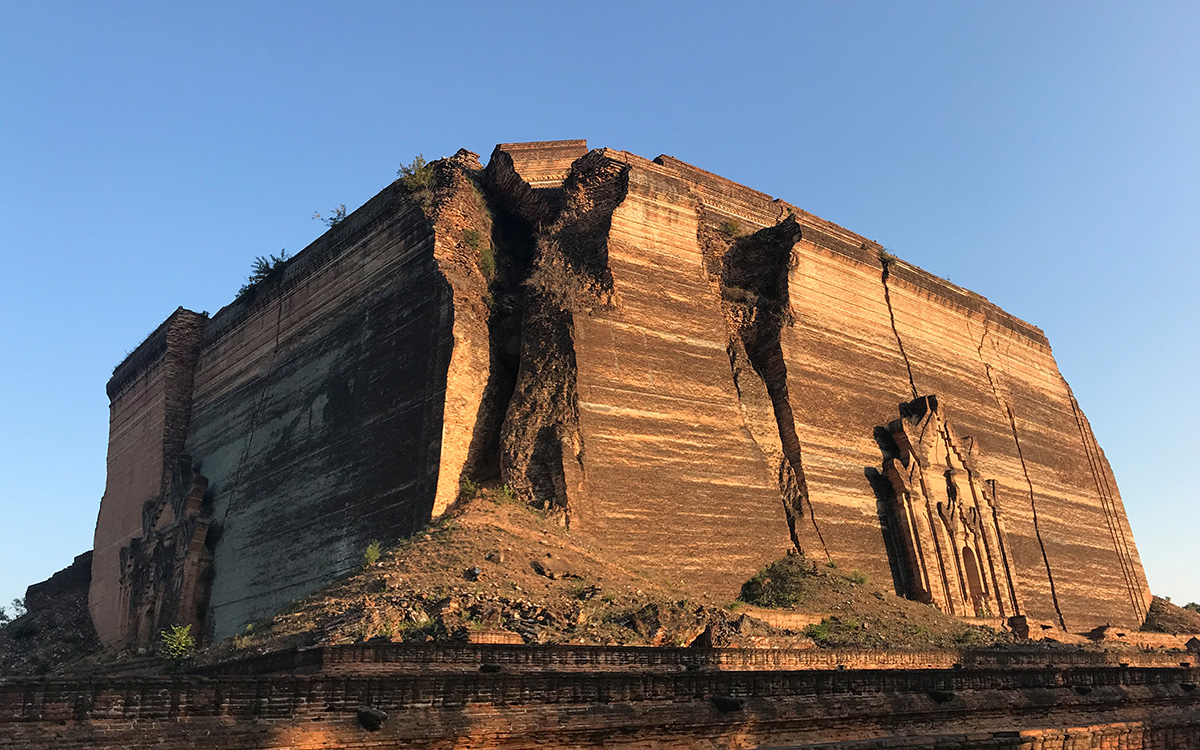
Mingun lies on the west bank of the Ayeyarwady River, about 10 km from Mandalay. It is a popular excursion and worth spending at least half a day by exploring its impressive sights.

Mingun Bell

On this day in 1808, the casting of the Great Mingun Bell, now the second largest functioning bell in the world, began along the Ayeyarwady River in central Myanmar. Bodawpaya had a gigantic bronze bell cast to go with his huge stupa. Weighing 90 tonnes, Mingun Bell is about 13ft high and over 16ft across the lip.
The bell hangs to the north of the Mingun Pahtodawgyi on a low circular terrace from a three-piece wooden beam covered with a metal plate. The beam rests on two brick pillars which are reinforced with two teak posts inside.
In an earthquake in 1838, approximately 18 pounds of metal broke off from the bottom of the bell and its supports were destroyed. According to the memorial tablet at the bell, it rested on the ground until 1896 when it was raised, slung on an iron beam and placed where it hangs today.

Stay connected

Partner Central Login

Current your IP Address: 127.0.0.1

Not registered? Create an account